Health and Safety Policy for Landscaping Teddington
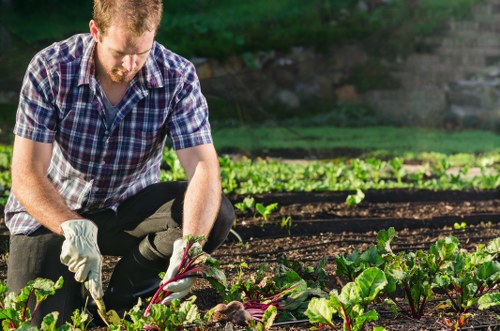 Health and safety is central to every landscaping project in Teddington, from small garden improvements to larger grounds maintenance work. This policy sets out the practical standards that help protect employees, contractors, clients, visitors, and the public while landscaping work is underway. It applies to all operational activities, including planting, turfing, paving, hedge care, tree-related tasks, machinery use, and the handling of materials. The aim is to reduce risk, support safe working habits, and ensure that Landscaping Teddington services are delivered responsibly and consistently.
We recognise that landscaping involves a wide range of hazards, including moving equipment, manual handling, falling objects, slips and trips, sharp tools, noise, dust, and changing weather conditions. Because of this, safe planning begins before any work starts. Every job is reviewed for foreseeable risks, and appropriate controls are put in place before tools are used or access is restricted. This approach helps maintain a safe environment for workers and anyone nearby.
 All staff are expected to follow safe systems of work, use equipment correctly, and report hazards without delay. Supervisors are responsible for making sure that tasks are assigned only to people with the right training and that work areas remain organised throughout the day. Where hazards cannot be removed entirely, they must be managed using suitable precautions, including barriers, warning signs, personal protective equipment, and clear communication.
Responsibilities and Safe Working Standards
The company has a duty to provide a safe working environment, suitable tools, and clear procedures. Employees have a duty to take reasonable care of their own safety and the safety of others. This includes wearing protective footwear, gloves, eye protection, hearing protection where needed, and high-visibility clothing when working near vehicles or public spaces. A strong safety culture depends on everyone understanding that unsafe shortcuts are never acceptable.
Risk assessment is part of normal practice. Before work begins, the team considers the site layout, ground conditions, access points, nearby structures, underground services, weather, and the presence of children, pets, or members of the public. Special care is taken when using mowers, strimmers, saws, blowers, diggers, and other powered equipment. Machinery must be inspected before use, maintained according to schedule, and taken out of service immediately if a defect is found.
 Manual handling is another key concern in Landscaping Teddington operations. Soil bags, paving slabs, timber, containers, and plants can all create strain or injury if lifted incorrectly. Workers are trained to assess loads, use mechanical aids where practical, and ask for assistance when items are too heavy or awkward. Good posture, planned lifting routes, and tidy storage areas all help reduce the likelihood of musculoskeletal injury.
Site Safety, Public Protection, and Equipment Control
Many landscaping jobs take place in shared or visible environments, so protecting the public is essential. Work areas are clearly marked and kept separate from pedestrian routes where possible. Tools and materials are stored securely, and operations that generate debris, noise, or airborne particles are managed carefully. When needed, temporary barriers are installed to keep unauthorised people away from active work zones. Particular attention is given to preventing trips over hoses, cables, and waste materials.
Working with Tools and Machinery
Only authorised and competent personnel may use powered tools or plant. Training covers starting procedures, safe operation, cleaning, refuelling, storage, and emergency shutdown. Guards must remain in place, blades and moving parts must be checked before use, and equipment should never be modified by unapproved persons. Fuel, oils, and chemicals are stored and handled in a controlled way to prevent leaks, fire, or environmental harm. Any spill is reported and dealt with promptly.
Weather can significantly affect outdoor safety. Wet grass, frost, high winds, heat, and poor visibility all increase the chance of incidents. Work is paused or adjusted when conditions become unsafe. Staff are encouraged to drink water in warm weather, take appropriate breaks, and dress for the conditions. During colder periods, the risk of slips and cold stress is considered carefully, especially on shaded paths, steps, and uneven ground.
Training, Reporting, and Continuous Improvement
Training is an ongoing requirement for all landscaping activities. New staff receive induction covering site rules, emergency arrangements, first aid, accident reporting, and the correct use of equipment. Refresher training is provided when methods change, new machinery is introduced, or a review shows that additional instruction is needed. We believe that well-trained teams are better able to identify hazards early and respond calmly if something goes wrong.
Incidents, near misses, defects, and unsafe conditions must be reported as soon as possible. Reporting allows action to be taken before a minor issue becomes a serious one. Records are reviewed to identify patterns and improve procedures. This helps the organisation learn from experience and strengthen its approach to landscaping health and safety over time. Where necessary, work methods are updated so that the same risk is not repeated.
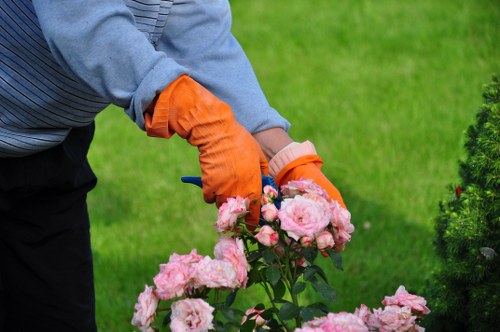 First aid provision is maintained for all active sites, along with clear emergency procedures for injury, fire, severe weather, or unexpected public access. Staff are briefed on what to do in an emergency and how to raise the alarm quickly. If a situation becomes unsafe, work stops immediately until it is controlled. Protecting people always takes priority over productivity.
Review and Commitment
 This policy is reviewed regularly to make sure it remains effective, practical, and suitable for the range of landscaping work carried out. Reviews may be triggered by changes in equipment, working practices, legal expectations, or lessons learned from incidents and inspections. Continuous improvement is a key part of the commitment to safe, reliable, and professional landscaping services.
By following this policy, Landscaping Teddington aims to create safer working conditions, reduce preventable accidents, and protect everyone who may be affected by outdoor maintenance and garden improvement activities. Safety is not treated as a separate task; it is built into planning, supervision, execution, and review. Through clear responsibilities, careful control of hazards, and consistent attention to detail, the business supports a dependable and responsible standard of work.